
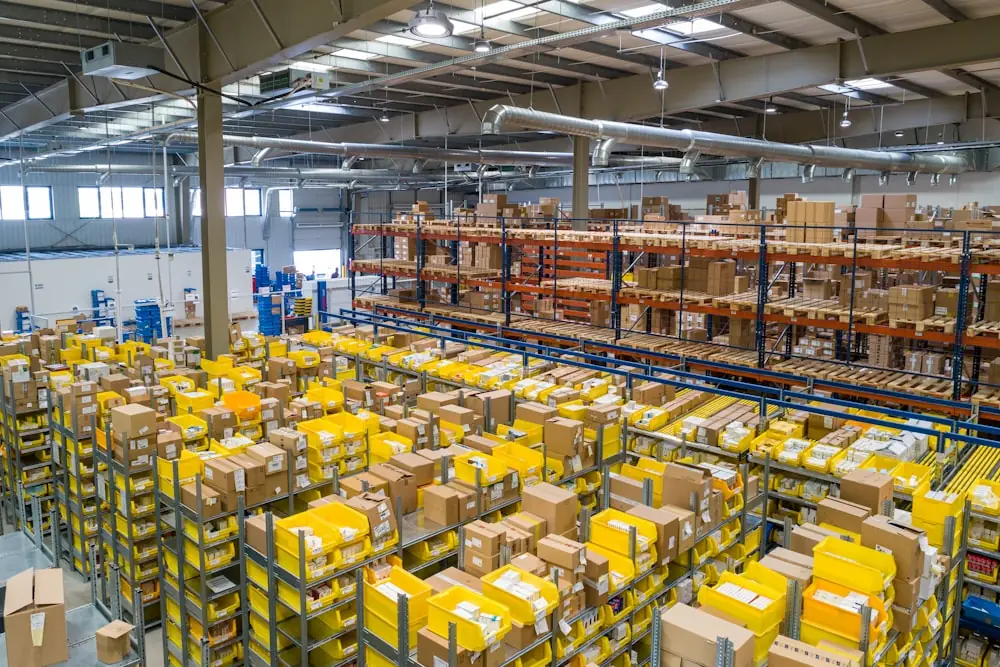
California's trailblazing air quality regulations have reached the warehouse floor. The "Advanced Clean Forklift" rule, effective January 1, 2025, mandates that all new forklifts and other material handling equipment purchased for large warehouses in the state be zero-emission-overwhelmingly meaning electric. With Southern California's Inland Empire being the nation's largest warehouse hub, this rule is triggering a massive, localized industrial transition that is repurposing the skills of thousands of mechanics.
Diesel and liquid propane (LP) forklift mechanics, whose expertise lies in internal combustion engines, fuel systems, and exhaust treatments, are now undergoing state-funded retraining programs to become "Electric Industrial Vehicle Technicians." The skill shift is significant. It moves from mechanical repair to electrical system diagnostics, battery pack management and repair, and charger infrastructure maintenance. Technicians must learn to work with high-voltage systems (up to 96V DC), battery management system (BMS) software, and AC/DC motor controllers.
Furthermore, the mandate is creating an entirely new installation and maintenance sector for "Industrial Charging Infrastructure." Warehouses are not simply installing a few plugs; they are designing microgrids with solar canopies, battery storage systems, and smart charging software to manage the electrical load of hundreds of forklifts charging simultaneously.This requires electricians with expertise in commercial-scale EV supply equipment (EVSE), a skill set previously found mostly in public charging network companies.
For tradespeople in the region, this regulation isn't a threat to jobs, but a forced and funded evolution of their skills, aligning their futures with the electrification of everything, starting inside the four walls of America's busiest warehouses.
Source: California Air Resources Board (CARB) "Advanced Clean Forklift" regulation text and workforce development grants from the California Energy Commission.