
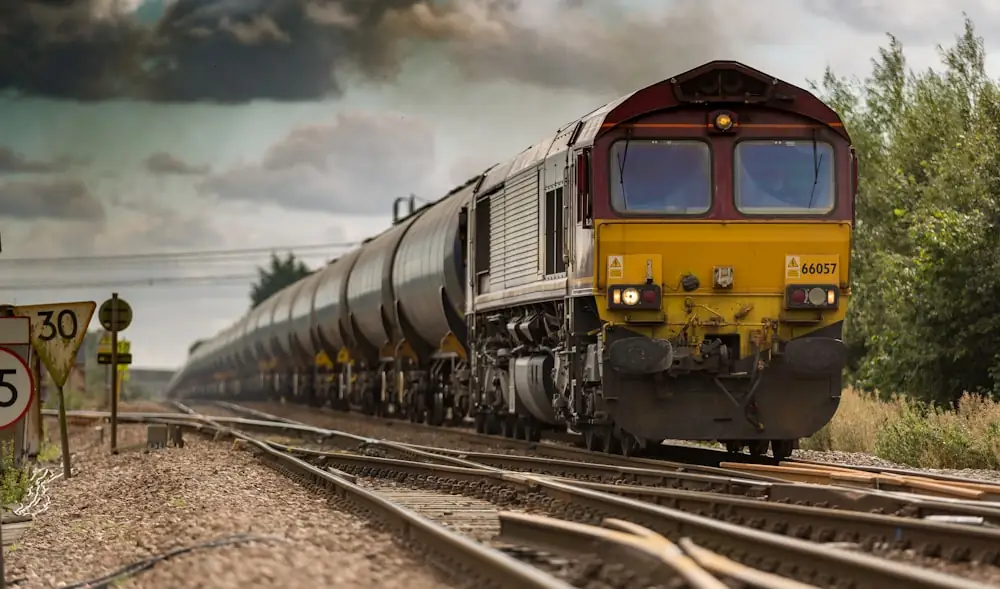
A landmark federal law, the "Two-Person Crew Minimum Requirement Act," has settled a decades-long labor dispute by mandating at least one certified conductor and one engineer in the cab of all freight trains. While a victory for rail unions on safety grounds, the law has triggered a complex, bifurcated response from the major Class I railroads (BNSF, Union Pacific, CSX, Norfolk Southern) that is reshaping the industry's workforce strategy in unexpected ways.
On one path, the railroads are engaged in an urgent hiring spree for "Freight Conductors." They need to fill thousands of vacancies created by attrition and the new mandate, leading to signing bonuses and accelerated training programs. However, these new hires are entering a role in transition. The conductor's duties are increasingly focused on safety oversight, complex paperwork for hazardous materials, and federally mandated inspections, rather than traditional switching operations in yards.
Simultaneously and paradoxically, the law has accelerated railroad investment in the other path: "Autonomous Track Inspection and Yard Technology." Since the law locks in crew size, railroads see automation as the only remaining lever to control costs.This means massive capital expenditure on networks of trackside sensors, autonomous inspection drones, and automated switch networks in classification yards.
This is creating a parallel hiring surge for a new class of trade professional: the "Railroad Technology Maintenance Technician." These hybrid roles require knowledge of rail operations, but their core skills are in maintaining and troubleshooting networks of IoT sensors, lidar units, and automated mechanical systems.The long-term career trajectory in rail is thus splitting: one path focused on the human oversight of moving trains, and a faster-growing path focused on maintaining the automated systems that make those trains safer and more efficient.
Source: Summary of the "Two-Person Crew Minimum Requirement Act" and railroad capital investment plans from SEC 10-K filings.